Stiletto Couture: A Designer’s Real-World Embroidery Review
First Impressions: Glamour That Stitches Well—Not Just Looks Good on Screen
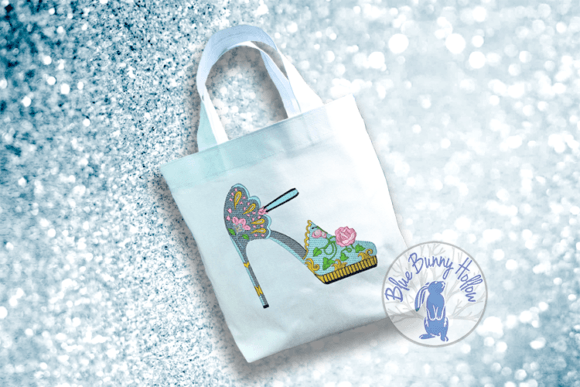
Opening Stiletto Couture for the first time, I didn’t just see a high heel—I saw intention. This isn’t a silhouette slapped onto a hoop; it’s a machine embroidery design built with rhythm and restraint. The curve of the heel, the subtle taper of the toe, the delicate strap detail—it all breathes elegance without overloading the stitch count. It lands somewhere between editorial illustration and wearable art: sharp enough for boutique branding, soft enough for a baby onesie gift. As an accessories-focused embroidery file, it avoids cartoonish exaggeration and leans into refined proportion—exactly what makes it versatile across real projects.
A Real Project Test: Custom Tote Bags for a Local Boutique
Last week, I prepped Stiletto Couture for a small-batch order of linen-cotton tote bags—intended as VIP gifts for a women’s fashion pop-up. No glitter, no rhinestones, just clean stitching in matte black thread on oat-colored fabric. The result? Instant recognition. Customers paused mid-aisle—not because it screamed “shoe,” but because it *felt* like a signature. That’s the quiet power of Stiletto Couture: it elevates the item without overwhelming it. On a structured tote, the heel’s vertical orientation anchored the composition beautifully. On softer fabrics like lightweight cotton twill or brushed poly, I added medium tear-away stabilizer underneath and reduced top tension slightly—no puckering, no distortion.
Where It Shines (and Where to Pause)
Stiletto Couture thrives in contexts where sophistication matters more than scale:
- Custom apparel: Works elegantly on sweatshirt cuffs, back yokes, or chest pockets—especially when paired with minimalist typography or monogrammed initials.
- Embroidered patch applications: Clean outlines and balanced satin-stitch zones mean it presses flat and holds shape after sewing or iron-on application.
- Baby embroidery: Surprisingly gentle on onesies and burp cloths—when stitched in pastel thread on Pima cotton, the design reads as whimsical, not flashy.
- Holiday and wedding gifts: Think velvet pillow covers for bridal showers or tea towels for hostess presents—Stiletto Couture adds polish without cliché.
- Etsy listings and craft fair products: Its visual clarity translates well into printable mockups, helping buyers imagine it on their own items before purchase.
That said—this isn’t a “throw-it-on-anything” design. Use caution with:
- Curved surfaces like caps: The heel’s narrow base and fine strap details can compress or distort unless digitized specifically for cap hoops. Test first.
- Thin or stretchy knits: High-density fill areas near the heel cup need extra stabilizer support—otherwise, you’ll get shadowing or thread pull-through.
- Dark fabric backgrounds: Satin-stitched straps may lose definition if thread contrast is low. Try metallic silver or heather gray thread instead of stark white.
- Small hoop sizes under 4x4 inches: While scalable, shrinking too far blurs the strap’s contour and weakens the heel’s structural illusion.
What It Does for Your Handmade Product—and Your Customer’s Perception
Stiletto Couture doesn’t just decorate—it signals care. When stitched cleanly, it tells your buyer: This wasn’t rushed. This was chosen. That impression lifts perceived value instantly, especially in personalized gifts or boutique merchandise. I’ve seen Etsy sellers report higher conversion rates when using Stiletto Couture on aprons or kitchen linens—customers associate the precision of the stitch work with craftsmanship, not mass production. It also strengthens brand consistency: whether you’re embroidering a logo variant, a seasonal collection accent, or a limited-edition patch, Stiletto Couture holds its own alongside custom lettering or abstract motifs.
Practical Designer Notes Before You Stitch
Before committing to a full run—or listing it as part of your digital embroidery file shop—here’s what I always do:
- Test on scrap fabric that matches your final project’s weight, weave, and stretch.
- Check thread color contrast by stitching a small section in both light and dark thread on your target fabric.
- Review stitch density visually—not just in software. Dense fills near the heel base may need slight underlay adjustment for breathable fabrics.
- Confirm hoop size compatibility with your machine and intended placement (e.g., sleeve vs. front panel).
- Inspect small details like strap ends and heel contour—they’re where quality either shines or stumbles.
- Test in black-and-white mockups to assess silhouette strength before adding color variables.
- Use proper stabilizer: medium cutaway for knits, tear-away for stable wovens, and fusible for lightweight linens.
- Verify licensing terms before selling finished items or bundling Stiletto Couture into commercial design assets.
Final Thought: Not Just an Embroidery File—A Design Decision
Stiletto Couture is more than a pretty accessory embroidery design. It’s a tool for intentionality. Whether you're building a craft business, launching a line of embroidered home goods, or hand-stitching personalized gifts for friends, this design invites thoughtful placement—not filler decoration. It respects the fabric, the machine, and the person who’ll hold the finished product. In a market flooded with generic florals and over-digitized icons, Stiletto Couture stands out by doing less, but doing it with unmistakable confidence. If your work values clarity, wearability, and quiet luxury—this one earns its place in your embroidery project queue.