Surfboard Embroidery Design Review for Real Projects
As an experienced embroidery designer and product reviewer, I always look at a new design through the lens of practicality. The Surfboard Embroidery Design caught my attention not just for its summer vibe but for how it could realistically fit into a variety of handmade and commercial projects. Let’s dive into what this design brings to the table and where it might need a little extra care.
A First Look: Mood and Visual Personality
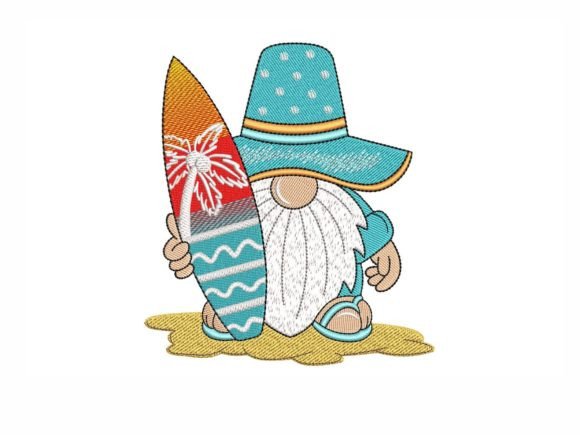
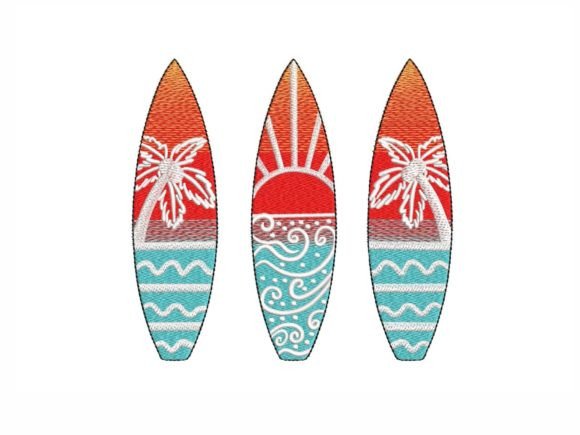
The moment I opened the machine embroidery file, the Surfboard design exuded a laid-back, sun-soaked energy that immediately felt right for seasonal items. Its layout is balanced — the surfboard takes center stage while being framed by subtle wave patterns and tropical accents. This gives the design a natural focal point without overwhelming the eye. The level of detail is moderate, with smooth lines and soft curves that make it adaptable to different styles and placements.
Visually, it reads as a versatile summer-themed motif. It doesn’t scream "beach," but it definitely whispers it. That makes it ideal for projects where you want to evoke a coastal feel without going over-the-top. For someone like me who often tailors designs to boutique branding or personalized gifts, this kind of subtlety can be a real asset.
Real-Life Use Cases for Surfboard
I tested the Surfboard design on a few common embroidery applications to see how it performed in the real world:
- Tote Bags: Stitched on a cotton-linen blend, the design looked crisp and professional. The waves added movement, making the bag perfect for a beach day or summer festival.
- Sweatshirts & T-Shirts: On a medium-weight fleece sweatshirt, the surfboard stood out nicely with minimal distortion. On t-shirts, especially those with a bit of stretch, I had to adjust the stabilizer to keep the shape from warping.
- Pillow Covers: The design brought a decorative yet functional touch. It worked well both centered and off-centered, depending on the style of the room.
- Embroidered Patches: When converted into a patch format, the Surfboard retained its charm. It's great for adding a personal touch to denim jackets or backpacks.
- Tea Towels & Beach Towels: Here, the design really shined. The contrast between the thread colors and fabric helped it pop, making it a great choice for kitchen or beach accessories.
Each time, the design maintained its integrity. It didn’t get lost in dense stitch areas or lose definition on larger surfaces. That’s a good sign for anyone planning to use it in custom apparel or handmade products meant for resale or gifting.
What Kind of Project Fits Best?
The Surfboard design feels most at home on casual wear and home décor. Think of it as a design that bridges the gap between fashion and function. It works particularly well for:
- Summer-themed tote bags for local boutiques or Etsy shops
- Baby clothing with a playful twist (as long as the details are simplified)
- Holiday gifts or personalized items like embroidered aprons or pillowcases
- Framed art for a cozy beach house or summer rental
- Small shop merchandise or branding materials for a surf-themed café or store
It’s the kind of design that feels familiar but still fresh. You can easily imagine customers gravitating toward it during warmer months or when they’re looking for something cheerful and easygoing.
Where to Use Surfboard with Caution
While the Surfboard design is adaptable, there are some situations where it might not perform as expected. Here are a few things to consider before stitching:
- Small Hoop Sizes: If you're working with limited space, like a cap or small patch, the wave details may become too cramped. Simplifying or resizing the design is key here.
- Textured or Stretchy Fabrics: The design has enough detail that it needs a stable base. Textured fabrics like flannel or stretchy knits may require more careful stabilization to prevent puckering.
- Dark Fabric Backgrounds: Thread color visibility is important. Some of the lighter tones used in the waves may not show up as well on darker bases. Testing with a white or light-colored mockup first is a smart move.
- Products Subject to Frequent Washing: Dense fill areas might fade faster than satin or running stitches. Always test washing samples to ensure durability matches your expectations.
For example, if you're creating a custom baby blanket using this design, you’ll want to check how it holds up after multiple washes. Similarly, if you're using it on a stretchy tank top, you’ll need to experiment with underlay settings to avoid distortion.
Design Impact and Customer Appeal
When considering customer reactions, the Surfboard design is likely to generate positive feedback due to its clean, recognizable theme. It adds visual appeal without being overly complex, which means it won’t distract from the overall product aesthetics. Whether you're an Etsy seller or a craft business owner, this design can enhance the perceived value of your items.
In terms of product presentation, the design supports a cohesive brand image if you're focusing on seasonal or lifestyle-based offerings. It can also help with brand recognition if used consistently across your line of handmade products.
From a giftability standpoint, the design is approachable and appealing. It fits well in holiday embroidery for summer birthdays, graduation gifts, or even wedding favors with a beachy theme. As a decorative accent, it’s subtle enough for adults but playful enough for kids’ items.
Professional Considerations for Embroidery Designers
If you're using the Surfboard design in a professional setting, here are some tips to keep in mind:
- Test on Scrap Fabric: Before committing to a full production run, stitch a sample on a similar material to assess how it looks and behaves.
- Check Thread Color Contrast: Especially on dark or patterned fabrics, ensure the thread colors stand out. Sometimes, swapping out one or two colors can significantly improve the outcome.
- Review Stitch Density: High-density areas may cause stiffness or pilling. Adjusting these can improve comfort and longevity, especially for wearable items.
- Confirm Hoop Size: If the original hoop size isn't provided, start with a mid-sized hoop and scale accordingly. Too small, and you risk losing detail; too large, and the design may appear diluted.
- Inspect Small Details: Make sure tiny elements like the waves or board graphics aren’t getting lost in translation when scaled down.
- Use Proper Stabilizer: A tear-away or cut-away stabilizer will help maintain shape and reduce puckering, especially on stretchy or thin materials.
- Consider Licensing: If you're planning to sell finished products or digital files, double-check licensing terms to ensure compliance.
One thing I appreciate about this design is that it allows for creative customization. You can modify thread colors, simplify sections, or combine it with other motifs to suit your brand or client’s preferences.
Final Thoughts on Using Surfboard in Embroidery Projects
The Surfboard embroidery design is a solid addition to any embroidery project with a summer or coastal theme. It’s not just another trendy motif — it has a sense of character that makes it memorable. While it performs well on most standard fabrics and mediums, it does demand thoughtful preparation, especially when applied to less forgiving materials or smaller formats.
For small shop owners and creative entrepreneurs, this design offers a balance of professionalism and charm. It can elevate everything from basic t-shirts to custom nursery decor. But remember, no matter how beautiful the digital embroidery file looks, the final result depends heavily on execution. Take the time to test, tweak, and tailor the design to your specific needs.
If you're looking to add a touch of summer to your next handmade product or personalized gift, the Surfboard design is worth exploring. Just approach it with the same care and creativity you bring to every project, and you'll be rewarded with a finished piece that feels both intentional and inviting.