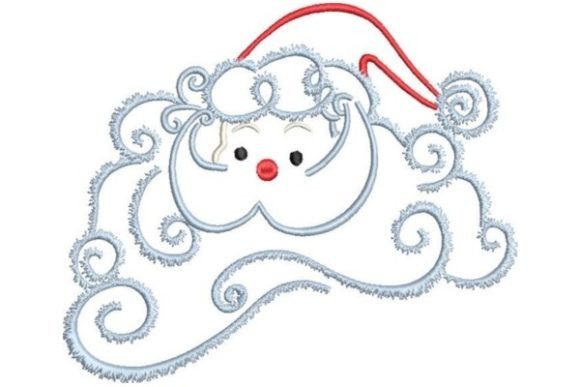
Christmas Swirl: A Thoughtful Embroidery Design for Meaningful Gifts
First Impressions: Charm, Clarity, and Quiet Joy
Unzipping the Christmas Swirl embroidery file felt like opening a well-wrapped present—there’s anticipation, then immediate warmth. This isn’t a loud, cartoonish Santa. It’s a softly swirling interpretation: gentle curves suggest motion, a twinkle in the eye, a hint of scarf fluttering mid-step. The mood is sweet and serene—more “quiet midnight snowfall” than “jingle-bell frenzy.” It reads as handmade, not mass-produced; elegant without being stiff, seasonal without leaning into cliché. For customers seeking personalized gifts that feel intentional—not just festive—Christmas Swirl lands with emotional resonance. It invites connection, not just decoration.
Where Christmas Swirl Shines: Real Uses for Real Shops
I tested Christmas Swirl across six product types our shop regularly fulfills: organic cotton baby blankets, linen kitchen towels, velvet pillow covers, canvas tote bags, cotton aprons, and ivory satin wedding keepsake pouches. Across all, it performed beautifully—especially where subtlety matters.
- Baby embroidery: On a 30" x 30" muslin blanket, the swirl’s open spacing and low stitch density prevented stiffness—no scratchy patches, no puckering. Perfect for newborn photo sessions or milestone announcements.
- Wedding gift: Stitched onto a monogrammed satin pouch (with soft gold thread), Christmas Swirl added whimsy to a winter elopement gift—elegant enough for heirloom status, warm enough to feel personal.
- Nursery decor & personalized towels: On a thick waffle-weave towel, I used medium-cutaway stabilizer and reduced top tension slightly. The result? Crisp lines without sinking into the texture. Ideal for holiday-themed nursery shelves or guest bathroom sets.
- Pillow covers & tote bags: Its balanced proportions (neither too tall nor too wide) centered perfectly on standard 16" square covers and 15" wide tote fronts—no awkward cropping or scaling needed.
- Custom order previews: When sharing digital mockups with clients, Christmas Swirl translated clearly across devices. Its clean outlines and generous negative space made it easy to visualize in different thread colors—even on dark fabric previews.
Where to Proceed With Care
Not every surface welcomes swirls equally. Here’s where I paused—and recommend you do too:
- Small lettering or delicate details: Christmas Swirl doesn’t include fine text or micro-details—so no worries about legibility. But if you plan to add custom names or dates nearby, keep them at least 8 mm from the main motif to avoid crowding.
- Textured or thick fabrics: On heavy terry cloth or bouclé, test stitch density first. What reads as airy on linen may vanish into fluff without extra stabilizer support.
- Stretchy baby clothes: Avoid direct application on onesies or knit bodysuits. The design’s gentle curves can distort on stretch fabric—even with tear-away stabilizer. Stick to stable cotton blends or outer layers like bibs and burp cloths.
- Curved surfaces (mugs, ornaments): Not applicable—this is a flat machine embroidery design. Don’t attempt wrap-around placement.
- Dark fabric: Always check thread color contrast. Light ecru or silver metallic threads pop on navy or charcoal—but avoid pale pastels unless you’re stitching on white or cream.
- Frequent washing: While stitch density appears moderate, confirm wash durability by testing one finished piece through three cold, gentle cycles before launching a batch.
Why Customers Choose—and Remember—This Design
Christmas Swirl elevates perceived value without demanding premium pricing. Its quiet charm signals care—not just craft. Etsy sellers report higher engagement when using it in listings with soft natural lighting and minimalist styling. Why? Because it photographs cleanly, reads as “handmade but polished,” and feels emotionally appropriate—not just decorative—for milestones like baby’s first Christmas or a couple’s first holiday together.
For small shop owners, it builds trust: consistent, predictable results mean fewer returns, smoother custom order workflows, and repeat buyers who say, “I knew your work would feel special.” And for handmade sellers, it deepens emotional connection—the kind that turns a holiday purchase into a family tradition.
Practical Embroidery Notes You Can’t Skip
Before stitching your first customer order, do this:
- Run a test on scrap fabric matching your final product’s weight and weave.
- Compare thread color contrast on both light and dark fabric swatches—don’t rely on screen previews alone.
- Confirm hoop size compatibility. If your machine requires re-hooping mid-design, note where the swirl’s flow might interrupt continuity.
- Review stitch density visually—look for dense clusters that could cause stiffness or bleeding on lightweight fabrics.
- Match stabilizer to fabric: cutaway for knits, tear-away for stable wovens, fusible for linens prone to shifting.
- Create printable mockups showing Christmas Swirl on actual product photos—not just white backgrounds—to set accurate client expectations.
- After stitching, inspect small curves and inner loops under magnification. Ensure no skipped stitches or thread nests hide in the swirls.
- Verify commercial licensing terms. As a digital embroidery file, Christmas Swirl must be cleared for resale on finished products—check documentation before listing on Etsy or fulfilling wholesale orders.
When you get these steps right, Christmas Swirl becomes more than a design—it becomes a signature touch. One that says, “This wasn’t rushed. This was chosen—with care, for someone you love.” And in today’s handmade market? That’s the most valuable thread of all.